


Should You DIY Your Wedding Invites?
Planning a wedding comes with a seemingly endless list of decisions to make — from venue to food to decor to guest list and beyond. One of the earliest and most visible decisions: the wedding invitations. DIYing your invites can feel personal and creative, but is it worth it? The answer depends on your priorities: budget, time, perfectionism, and how much stress you’re willing to take on.

What is a Wedding Suite
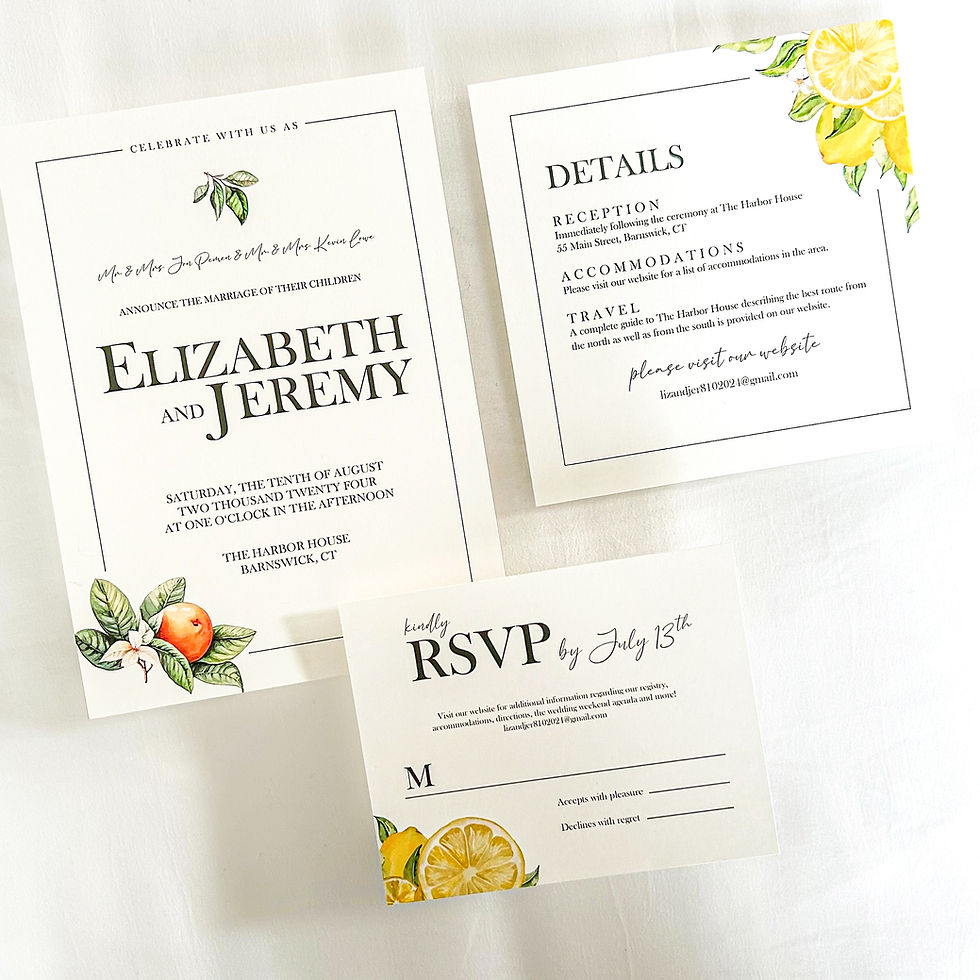
Before diving into DIY vs. pro invites, it helps to know what a wedding invitation suite — sometimes simply “suite” — actually means. A wedding suite isn’t just the main invite card. It’s the collection of paper items you send to guests so they have every detail they’ll need.
Here are the key components:
Main Invitation Card: This is the heart of the suite. It contains who is getting married, who is hosting (if you choose to list host names), the date and time of the ceremony, and the venue — sometimes including address. It often sets the “tone” of your wedding (formal, casual, rustic, modern, etc.).
RSVP (Response) Card: A card for guests to respond — accept or decline. It may include meal choices (if you’re offering plated dinners), dietary restrictions, or other relevant details. A self-addressed, stamped envelope is usually included so guests can mail it back.
Details / Reception / Enclosure Cards: If you have more to convey — like reception venue (if different from ceremony), accommodations, directions, dress code, or even wedding weekend events — you can add a details card, reception card, or other enclosures.
Envelopes (Outer & sometimes Inner): The outer envelope is for mailing. Some suites include an inner envelope — more common with formal weddings — to state exactly who is invited (e.g., “Mr. and Mrs. Smith” vs. “The Smith Family” or “John Smith & Guest”). This helps avoid confusion on plus-ones or whether children are invited.
Optional Embellishments: For a more elevated presentation, you might include a belly band (papery or ribbon wrap), wax seal, custom envelope liners — touches that tie your invitations to your wedding theme.
In short: the suite provides clarity and cohesion. It ensures your guests have all the information they need to attend and enjoy your wedding — and it also reflects the vibe and style of your celebration.

The Appeal of DIY Wedding Invitations
For many couples, “DIY WEDDING INVITATION” is appealing because it offers:
Personalization & creativity. You get to choose the design, colors, wording — even paper type — to match your wedding’s theme.
Cost savings. Invitations add up fast — especially with a large guest list, fancy paper, and extra inserts. DIYing (or semi-DIYing) can be significantly more budget-friendly.
A sense of accomplishment and intimacy. Designing and assembling invites yourself can feel deeply personal — like a creative project that announces your wedding in your own voice.
Some couples enjoy building their entire “stationery suite,” and even continue that aesthetic into wedding-day signage.
That said… DIY isn’t for everyone.
The Trade-Offs (Why Some Couples Should Skip DIY)
DIY invites might seem simple at first, but once you factor in all the components — stamps, proper addressing, legible typography, ensuring RSVP envelopes are correct, adding extras like accommodations or directions — it can quickly become overwhelming.
Risks include:
Logistical mistakes: forgetting to include an RSVP envelope, missing a detail on the reception card, mis-addressing envelopes, or failing to provide meal-choice options when needed.
Time & labor: printing, cutting, stuffing, sealing, labeling envelopes — it’s a lot of work, especially if you’re sending to 50, 100, 150+ guests.
Quality concerns: home printers might not deliver the paper quality, color accuracy, or finishing touches a professional can. What starts as a modest cost-saver may end up looking “homemade” rather than polished.
Lost time & energy that could go toward other wedding planning tasks — or toward actually enjoying the process.
If you find yourself stressing, procrastinating, or second-guessing design choices — that’s a strong sign you might benefit from a professional stationer.

Don’t Forget the Wedding Day Signage
Beyond the invitation suite, your wedding will likely include signage and paper goods that welcome guests, guide them, and keep things organized. These typically fall under “wedding stationery,” but are separate from what you mail.
Some common items:
Welcome Sign — Greeting guests as they arrive at the ceremony or reception venue. Sets the tone from the start. Place Cards / Escort Cards / Table Assignments — Let guests know where they’re seated (or which table to sit at). This helps dinner service run smoothly and can be a decorative touch.
Menu Cards — At each place setting or on buffet tables, a menu card shows what food will be served — helpful with plated dinners or multi-course meals.
Signature Drink Signs / Bar Signs / Drink Menu — If you’re doing a signature cocktail, open bar, or specialty drinks, a sign helps guide guests.
Reception or Gift Card/Table Signage — Perhaps for a guest book, gift table, favor table, or seating chart — especially useful if you have many guests or a more formal reception.
If you DIY your wedding invites, you might also plan to DIY these signs but that adds even more workload and coordination to your to-do list.

When to Consider Pro and Two Recommended Vendors
If you love the idea of beautiful, cohesive, polished invites, but don’t want the stress of DIYing everything. It may be wise to go with a professional stationer. Working with experts can save you time, avert mistakes, and make the process far easier.
Two excellent vendors worth checking out are:
716 Invites Co — Their social media presence suggests they specialize in custom invites and wedding stationery. If you don’t want to DIY, 716 Invites Co can handle design, printing, and assembly.
Graphic Poetry — A full-service invitation and stationery vendor that can take your wedding suite, signage, place cards, menus, and more off your plate — creating a cohesive look across all your wedding stationery.
Using a vendor means one less major wedding-planning stressor — you get expert design, quality printing, and coordinated signage without having to spend hours assembling envelopes and stuffing invites.
So — Should You DIY Your Wedding Invitations?
Here’s a quick breakdown to help you decide:
DIY if: you’re creative, don’t mind a bit of work, want to save money, love customizing every detail, and are comfortable investing the time to assemble, mail, and coordinate.
Go with a pro if: you want a polished, high-quality result, avoid stress, have a long guest list, or would rather use your time on other wedding planning details.
Hybrid option: Another strategy is to DIY some pieces (maybe save-the-dates or simple invites) and hire a vendor for more formal suites and on-day signage — or DIY what’s manageable and outsource the rest.
In the end, there’s no “one size fits all.” What matters is that your final invitations reflect your style, clearly communicate the essentials (and extras), and help guests feel excited and informed.


